


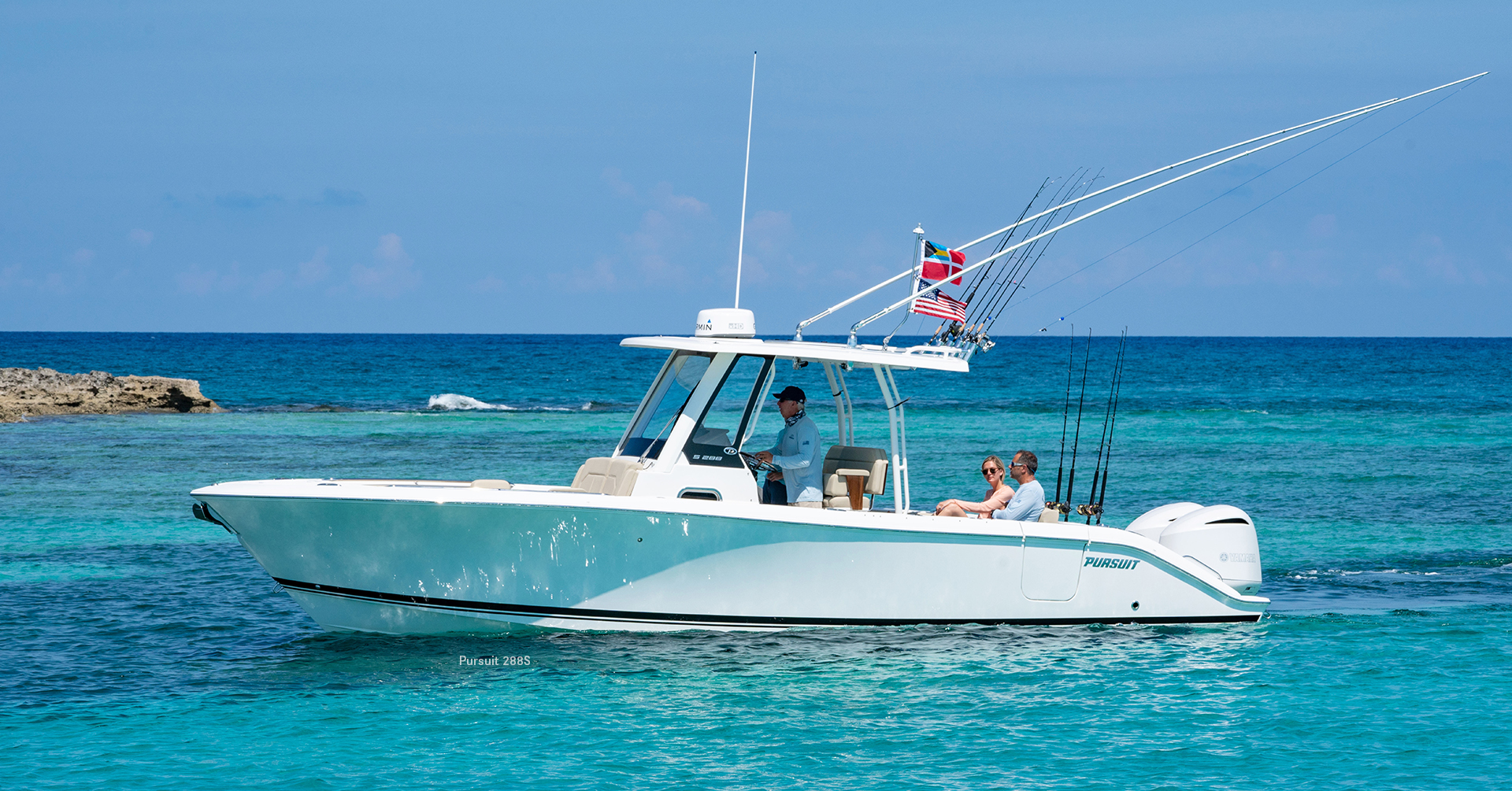
Exploring Florida’s Gulf Coast by boat is best done with a plan. From protected barrier islands to popular sandbars that appear at low tide, the region offers a wide range of destinations for swimming, wildlife viewing, and relaxed time on the water. Below is a guide to some of the most popular keys and sandbars, including approximate coordinates, best seasons to visit, and navigation notes to help boaters prepare.
Keys to Explore
Shell Key Preserve
Coordinates: 27.6515° N, 82.8397° W
Best Season: Spring–Fall
Shell Key is an undeveloped barrier island located just south of Pass-a-Grille. Accessible only by boat, it is known for its natural beaches, bird nesting areas, and shelling opportunities. Shallow surrounding waters make it best suited for smaller boats, kayaks, or shallow-draft vessels. Boat traffic increases on weekends during peak season.
Egmont Key
Coordinates: 27.6136° N, 82.8180° W
Best Season: Winter–Summer
Located at the mouth of Tampa Bay, Egmont Key features a historic lighthouse, old military fortifications, and popular snorkeling areas. The waters surrounding the island can be shallow and change with tides, so careful chart and depth monitoring is recommended. Strong currents may be present near the channel edges.
Caladesi Island
Coordinates: 28.0106° N, 82.8028° W
Best Season: Year-round
Caladesi Island is a state park known for its pristine beaches and calm waters. Access is available by ferry or private boat, though anchoring areas are designated and limited. The island is well suited for swimming, paddleboarding, and shoreline exploration. Facilities and walking trails are available on land.
Fort De Soto Keys
Coordinates: 27.6103° N, 82.7128° W
Best Season: Spring–Fall
This area includes a network of small islands and protected waterways near the southern end of Pinellas County. The surrounding bays are popular for kayaking, paddleboarding, and birdwatching. Nearby sandbars emerge during low tide, offering shallow areas for wading and swimming.
Sandbars
Honeymoon Island Sandbar
Coordinates: 28.0738° N, 82.8370° W
Best Season: Spring–Summer
This sandbar forms near Honeymoon Island and is known for shallow, calm water. It is popular for wading, swimming, and anchoring smaller boats. Weekend traffic can be heavy during peak months, especially in the afternoon.
Anclote Key Sandbar
Coordinates: 28.1600° N, 82.7972° W
Best Season: Winter–Summer
An expansive sandbar near Anclote Key, this area is frequently used for snorkeling and beach picnics. Water depth can vary significantly with tides, and channels may shift, so slow navigation and updated charts are important, particularly at low tide.
Long Key Sandbar
Coordinates: 27.7460° N, 82.7165° W
Best Season: Spring–Fall
Located near St. Pete Beach, this sandbar provides ample space for multiple boats and small watercraft. The area is often used for social gatherings and swimming. After storms, channels and sand formations may shift.
Blind Pass Sandbar
Coordinates: 27.7492° N, 82.7384° W
Best Season: Year-round
Situated between Treasure Island and St. Pete Beach, Blind Pass offers easy access from nearby boat ramps. The area features calm water conditions that are suitable for pontoons, kayaks, and paddleboards. Tidal flow can increase near the pass itself.
Seasonal Notes
Winter (December–February)
Cooler temperatures and lighter crowds make winter ideal for exploring more remote keys such as Egmont. Water levels may be slightly higher, and cold fronts can temporarily affect conditions.
Spring (March–May)
One of the most popular boating seasons. Low tides expose sandbars more consistently, and weather conditions are generally stable. Expect increased boat traffic, especially on weekends.
Summer (June–August)
Warm water and calm seas are common, making summer ideal for swimming and sandbar visits. Afternoon thunderstorms are frequent, so early departures and weather monitoring are recommended.
Fall (September–November)
Boat traffic decreases, but hurricane season can affect water clarity, channel depth, and sandbar formation. Always check local conditions and navigational updates before heading out.
Navigation & Safety Tips
- Check tide charts before departing, especially when visiting sandbars
- Use updated charts or GPS systems with depth data
- Navigate slowly in shallow areas to avoid grounding
- Anchor responsibly and avoid seagrass beds
- Observe posted rules at preserves and wildlife areas